11/9/18 - Week 23 - Dig, scrape, heave, plop!

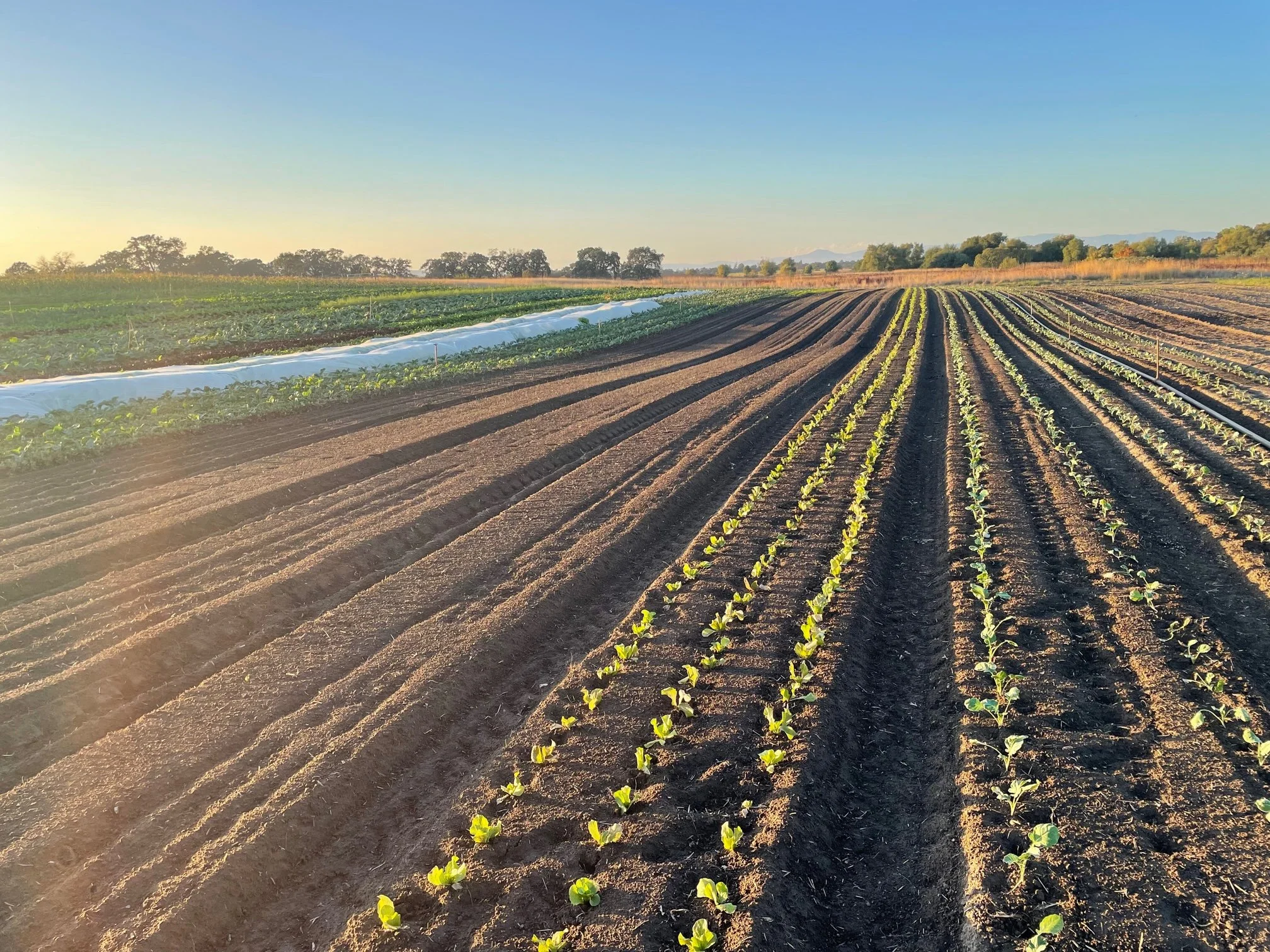
Farming plants is a rhythmic craft. Some of the rhythms are quick: Shovel hits earth: Ding. Slices earth: Scrape. Heaves up. Plops down. Repeats… Ding, scrape, heave, plop!

Some rhythms are daily: Rise, open greenhouses, water at 10, work, water at 3, close greenhouses, sleep. Repeat...

Some rhythms are a year long and a little harder to hear. Plant garlic, wait. Garlic spires emerge. Winter becomes spring. Spring becomes summer. Garlic scapes. Garlic swells. Harvest garlic. Eat lots of garlic. Save seed. Repeat...

Some rhythms are many years long and can only be heard by the oldest trees...

One of the coolest things about all these rhythms is that they mark time, they weave time together. Like the holidays, you can remember back to where you were, who you were with, how you were feeling, the last time you were at that point in the rhythm.

Last year at this time we were just on the down beat of our first full year as a farm and feeling giddy. We had never planted garlic on this land before and picked the nicest spot we could.

We started the garlic planting drums on Nov. 5th, 2017: Prepped beds, called friends, popped cloves, readied mulch, planted, mulched beds, prayed. That little rhythm set into motion all of the garlic we've been munching this year.

IMG_6378.JPG

This Sunday we’ll strike it up again, with some of the same friends, and put a prayer in the ground for 2019's crop. We hope you'll join in!

Ding, scrape, heave, plop…

See you in the garlic field,

David & Kayta

11/2/18 - Week 22 - 2019 Winter Squash Ode

So far in this log, we’ve penned an Ode to Maize and an Ode to the Potato; two New World crops who changed the world and inspired poets.

It is time for for an Ode to the fairest of them all. One who kindles deep, lasting love and has for 10,000 years. The beloved oldest of the Three Sisters… the Squash.

The ancestral plants of squash (the species including zuchinnis, melons, gourds, cucumbers, pumpkins and all winter squash) are millions of years old and native to the New World. It was love at first sight once we came around.

The earliest evidence for human domestication dates back 10,000 years to Southern Mexico; earlier than the domestication of corn or beans.

Word travelled fast and inspiration abounded. By 2,000 B.C., squash had became a part of life for almost every Native American culture from Southern Canada to Patagonia — varietals were kept and cherished for everything from the protein rich and medicinal seeds of some, to the sweet flesh and tough, winter hardy skins of others. Botanists note at least six separate domestication events by Native peoples in the New World. (The English word “squash” comes from the Narragansett word, askutasquash, meaning fresh vegetable, and similar words can be found in the related languages of the Algonquian language family.)


Here at GVCFarm, the human + squash love affair burns bright... and we have at our fingertips the unparalleled modern library of heirloom squash seeds. Last winter, farmer Kayta hunkered down with a seed catalogue, a good cup of coffee, a roaring fire, and her seed selecting genius, and laid out a season long love sonnet to squash. We felt the summer wind with a cool slice of Striped Armenian cucumber; We dined by candlelight over pasta with Costata Romanesca Zucchini; Once we tasted Sarah’s Choice Cantaloupe, we could never forget; But in the Winter, our true love came -- Winter Squash.

2018's winter squash. Top row from L to R: Sunshine Kabocha, Marina di Chioggia, Winter Luxury Pie Pumpkin, Wintersweet Kabocha // Bottom row from L to R: Jester Acorn Squash, Racer Jack-O-Lantern Pumpkin, Delicata, Butterscotch Butternut, Red Kuri,…

2018's winter squash. Top row from L to R: Sunshine Kabocha, Marina di Chioggia, Winter Luxury Pie Pumpkin, Wintersweet Kabocha // Bottom row from L to R: Jester Acorn Squash, Racer Jack-O-Lantern Pumpkin, Delicata, Butterscotch Butternut, Red Kuri, Honeybear Acorn

Marina Di Chioggia: This year's weirdo squash, "deliziosa, especially for gnocchi and ravioli... a culinary revelation." We'll include some tips on how to cook it when we distribute this later on.

Delicata - A real heartbreaker. The sweetest. Easiest to cook, even easier to eat.
Honey Bear Acorn - Your personal size Acorn squash. Very sweet. Coming this week!
Jester Acorn - The sweetest Acorn squash we've ever tasted, and very creamy. David's favorite. We fell in love with it 3 years ago when Kayta first grew it on the vineyard farm.
Sunshine Kabocha - The village beauty. A gorgeous red Kabocha. Sweet and flaky. Kayta's favorite, exceptional for pumpkin pie.
Butterscotch Baby Butternut - A real winner. A sweet and flavorful butternut ready to eat right after harvesting. This years are tasting exceptionally sweet.
Winter Luxury - Beautiful, lacey, netted pie pumpkin. The only pie pumpkin that can compete with a Kabocha. We'll distribute this one around Thanksgiving with our go-to pumpkin pie recipe.
Wintersweet Kabocha: "Winter Sweet delivers a combination of sweetness, flaky texture, and depth of flavor that has made it a favorite on our research farm. "Unparalleled eating quality," says the legendary Johnny's seed catalogue. Best after two months of curing. We fell in love with this one eating it in January. We'll put out this one out toward the end of harvest pick-up.

Red Kuri: A baby red Hubbard squash, sweet and mild with smooth texture. Good for pies and purees, you can eat the skin.

Racer Jack-O-Lantern Pumpkin: Were a little small this year because we grew them in between two rows of corn, but we thought they made the perfect Jack-O pumpkins. The seeds were great too.

We hope you fall in love with a Squash this Fall.

See you in the fields,

David & Kayta

10/26/18 - Week 21 - A Farm Ghost Story

Did you know, a ghastly little ghost lives amongst us here at peaceful Green Valley Community Farm?

It all began last season...

It was summer, and Kayta and I were marveling at the healthy, green Flint and Painted Mountain corn growing in the fields. "What stalks! What a canopy! What strong roots our corn must have!" thought we, proud of our magnificent horticultural skills.

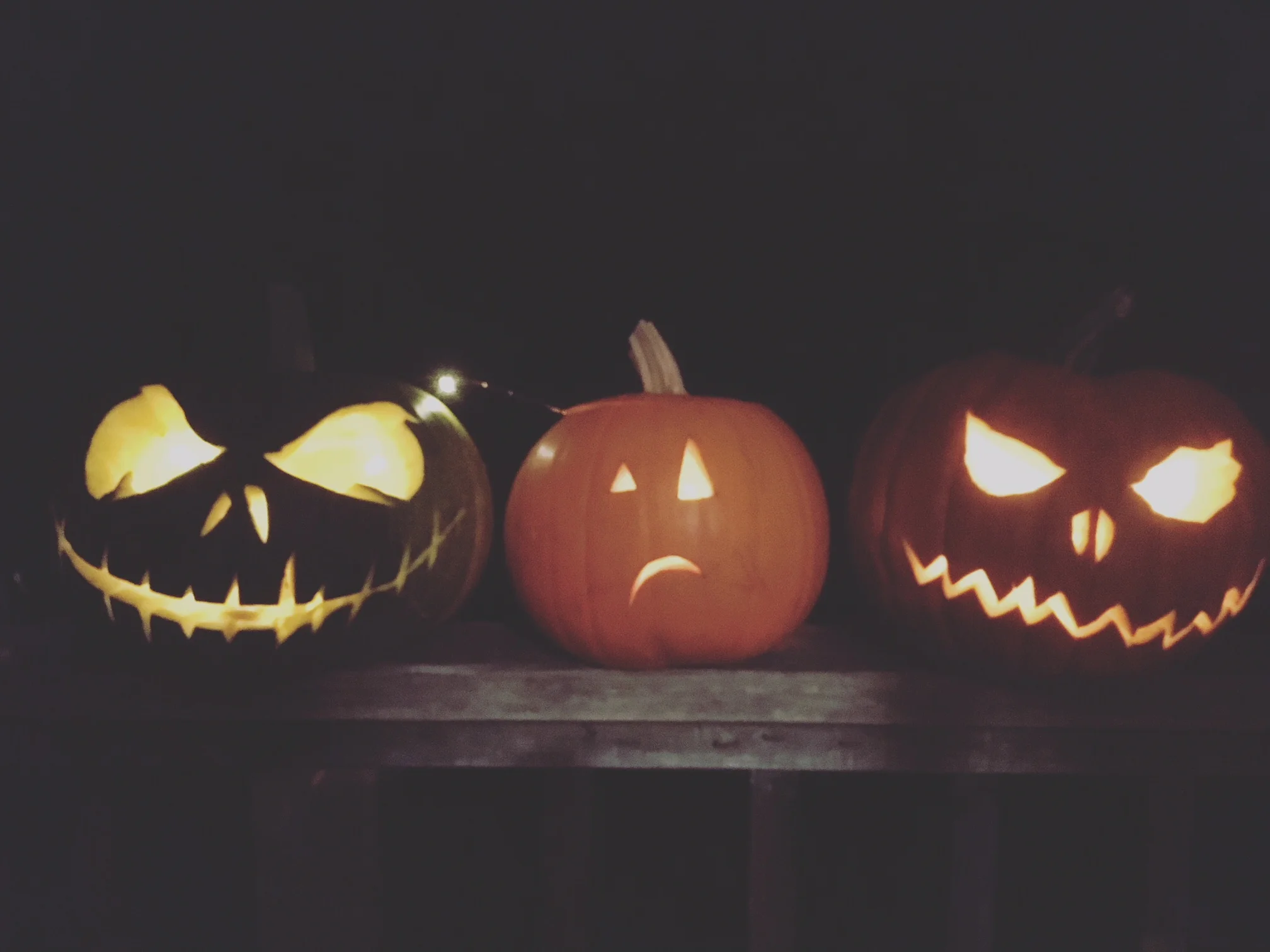
The GVCFarm ghost is much scarier than these pumpkins

The GVCFarm ghost is much scarier than these pumpkins

Summer waned. The corn grew taller and taller.

One late August morning, as we were passing by the beautiful corn, we noticed a couple had fallen over. "Hmmm", we thought, "a strong wind must have blown last night," and continued on our way thinking nothing of it.

A few days later we passed by the corn patch and noticed several more stalks lying flat on the ground. "Wow!" we exclaimed, "What a mighty wind must have blown last night!"

But we both knew the night had been still...

This continued. Every day we'd see a few more fallen stalks. We were perplexed. We analyzed the roots of the fallen and dug around in the soil. Various theories were concocted, but none of them felt like they explained the mystery of the falling corn. Last fall, we harvested a good crop of corn, but the fallen were missed.

Our attention turned to this season...

This year, we changed some things around and headed out of the gates with an even healthier looking stand of corn. But sure enough, in August, the phantom corn slayer returned, felling some of healthiest stalks we'd ever grown. At the same time, in another field, we were watering up our final and largest carrot planting, the fall carrot patch, but for some reason, we could not get a solid stand: It looked like the Death himself had passed over the middle of the beds. Even the weeds were missing.

We mentioned our plight to a visiting farmer friend one day. That was the first time we heard the word symphylan.

We had long been suspicious of these little, almost imperceptible white arthropods that abound in the soil here. We began to ask around. Word spread. We heard horror stories of fields laid waste. Lindsay Dailey, our new neighbor, connected us with Michelle Vesser: OAEC's former garden manager, a farm Medicine Woman, and a symphylan veteran. Michelle wasted no time in coming out.

She came to the farm last Wednesday armed with a manilla folder of literature and b-lined it to the fields. Upon first glance, her countenance brightened. "This doesn't look like symphylans. You still have weeds!" We presented her with a pumpkin and pointed to the swarm of white arthropods underneath. "These don't look like symphylans."

We walked to other problem spots on the farm but found no evidence. I was overjoyed! But in a quiet moment Michelle drifted to the bare spot in the Fall carrot patch. "Let's dig here." We dug up a stunted looking cauliflower and dropped the root ball in a bucket of water. 1, 2, 3.... 15 symphylans floated to the surface, squirming in the sunlight.

The next day I dug up the root ball of a fallen corn and sure enough, there they were.

Garden symphylans are a soil dwelling arthropod that are distantly related to centipedes. Adults are about a quarter inch long and they are very fast crawling. They are endemic to forrest soils, feeding on roots and decaying carbonaceous tissues. They cannot dig themselves, so they thrive in soils with good structure, earthworm holes, and high organic matter: All staples of well farmed soil. In a farm setting they eat the living roots of crops and can cause crop devastation.

But Michelle was generally encouraging: The relative success of our last two growing seasons shows us that we do not have them in great numbers. And there are farmers who have learned to live with ghostly symphylans.

Unfortunately, there is no cathartic ending to this ghost-story for there is no cure for symphylans. This ghost story will likely go on, in parallel to the joyful stories on this farm.

Alas, what are phantoms and ghosts and ghouls if not reminders to be grateful for who we have with us in the land of the living? Aye, the symphylans here will be a humbling reminder of the underworld below, right under our feet...

We'll do what we can, and say our farmer prayers, so that the symphylans here stay under-control. And we will be grateful for the harvests they allow us to reap in our time before we join them in the netherworld.

Happy Halloween!

David and Kayta