7/27/17 - Week 7 - Farm Labor

IMG_2518.jpg

FARMERS LOG:

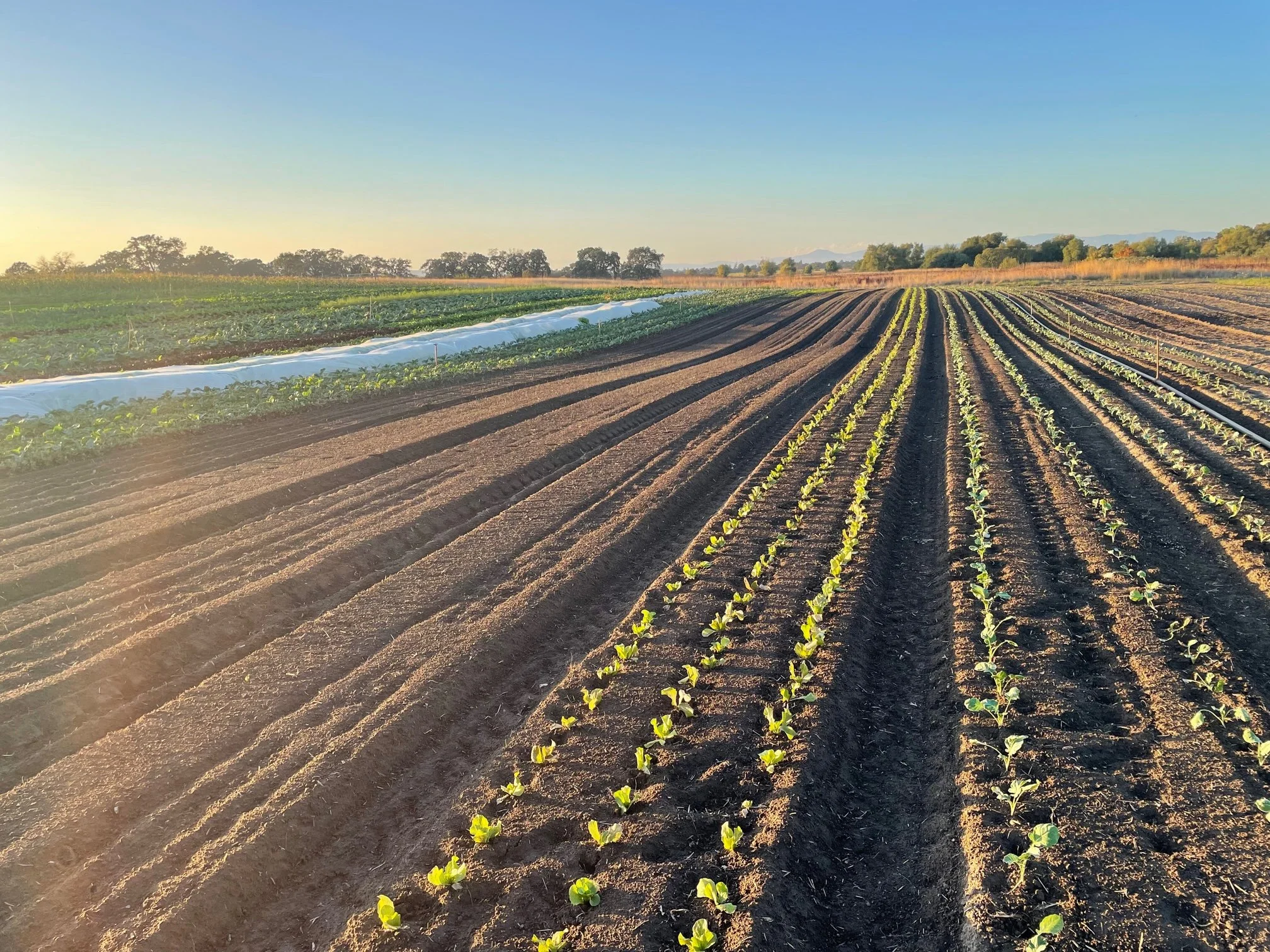
One day in early July, I realized we were in trouble. Our electric cultivation (aka weed killing) tractor was more broken than we thought -- ground faults everywhere, potentiometer acting all screwy. The weeds on the other had were not broken. The weeds in our quarter acre of winter squash were notably unbroken and had been growing so rapidly during our tractor troubleshooting that mechanical cultivation became impossible. Ironic. We needed help. We needed grit and agricultural experience.

Enter the Graton Day Labor Center. We're lucky to live close to a one-of-a-kind worker led non-profit that "organizes with domestic workers and day laborers in west Sonoma County, CA for the advancement of their rights and dignity as workers, as immigrants, and as members of the broader community." The workers there have organized so that everyone is paid decently ($15/hour is baseline) and everyone knows their rights. And needless to say, there is a wealth of agricultural experience there. 

I made an appointment and the following morning, Sebastian and Alexandra showed up at 7am. We got to talking a bit. Both in their 20's, Sebastian had come to Santa Rosa as a boy, the son of Mexican immigrants. Alexandra, from Kazakstan, had come to the states via Mexico. She spoke Spanish fluently and had been in the U.S. for a month. 

Over the course two 95 degree days, Alexandra and Sebastian rescued our winter squash planting. Their skill and care was obvious from the start. They were thorough and took care not to harm the fragile squash stems and blossoms as they removed the two foot tall, deeply rooted weeds surrounding the plants (easier said than done).

Naturally, Sebastian and Alexandra's presence on the farm made me think of the current political "discourse" around immigrants. For Kayta and I, it is impossible separate this conversation from people we know and the work we love because Latin American immigrants are the backbone of agriculture in Sonoma County and beyond. They run the vineyards, manage the lands, tend and harvest our food up and down North America.

One reason we like the CSA model is that it brings eaters into closer connection with where their food comes from and how it comes to be. To us this feels like one helpful antidote for a culture that participates little in its food production, and is therefore sometimes able to think little of the people who do it.

So, we wanted to give Sebastian and Alexandra and their work a little shout out here. Every time Kayta and I look at the plump, happy baby winter squash filling out under a clean canopy of squash leaves, we think of them and their critical contribution to our season. And we'll all have them to thank for every bite of sweet winter squash this Fall. 

See you in the fields, 

David & Kayta

THIS WEEK'S HARVEST: Heirloom Tomatoes, New Girl Slicing Tomatoes, San Marzano Type Sauce Tomatoes, Italian Eggplant, Summer Squash (Italian Zucchini, Crookneck and Patty Pan), Striped Armenian & Lemon Cucumbers, Galia Melons, Fennel, Cauliflower, Radishes, Savoy Cabbage, Beets, Carrots, Bok Choi, Red Russian Kale, Arugula, Mustard Greens Mix, Muir Summer Crisp and Red Little Gem Head Lettuces

U-PICK in the GARDEN: 

  • Herbs: Genovese Italian Basil, Cilantro, Savory, Onion Chives, Parsley, Sage, Oregano, Dill, Thymes, Mints, Sorrel, Chamomile, Lemon Verbena, Lemon Balm, Lemon Grass, Anise Hyssop
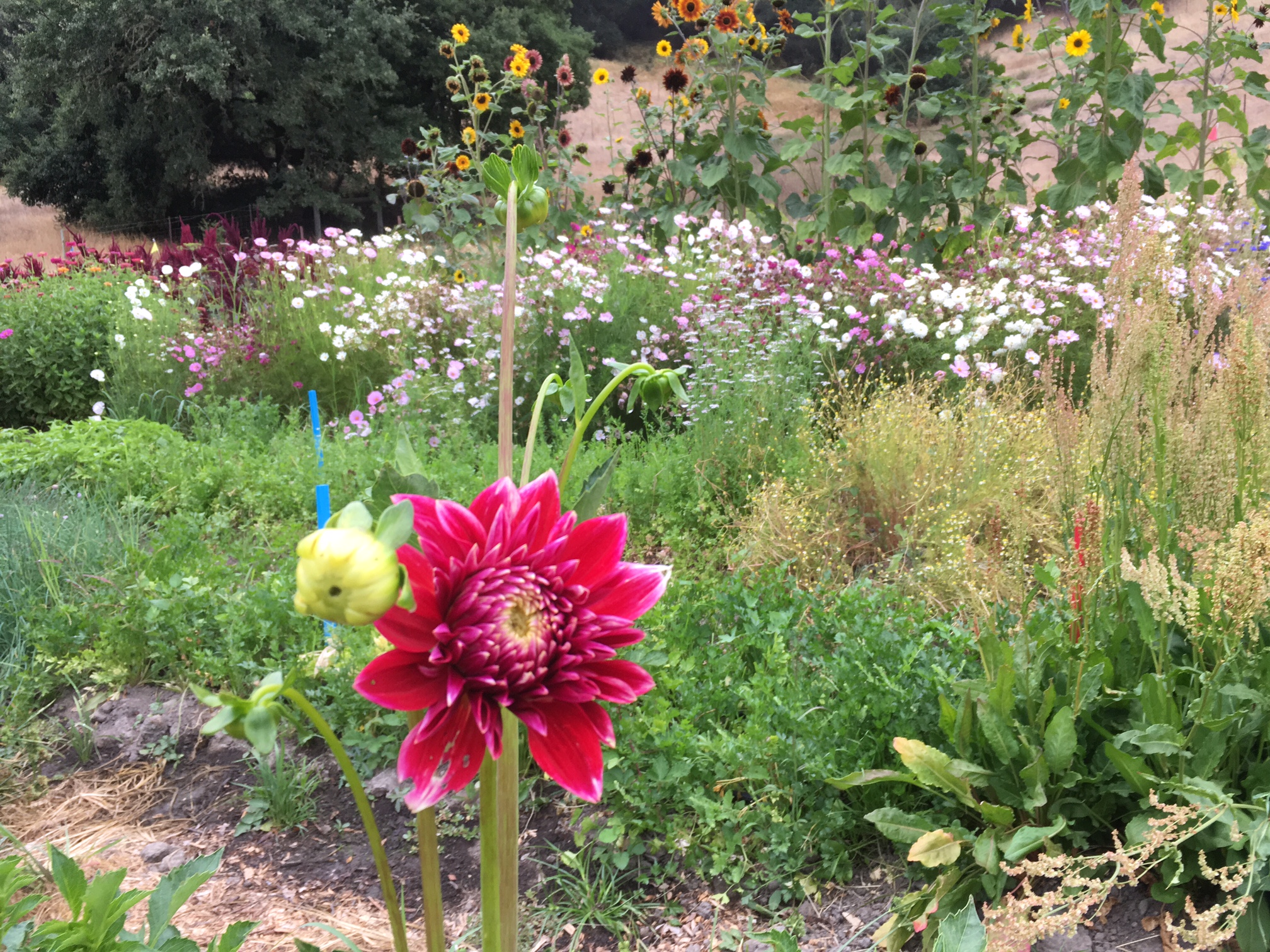
  • Cut flowers: Dahlias (limit 3 per season per share), Celosia, Craspedia, Cosmos, Nasturtium, Bachelor's Buttons, Zinnias, Calendula, Snapdragons, Red Spike Amaranth, Sunflowers, Love-in-a-Mist
  • Frying peppers: Shishitos, Black Hungarian, Padrones, Jalapeños
  • Husk Cherries aka Ground Cherries aka Cape Gooseberries: These are a delightful sweet little nightshade berries wrapped inside a cool little "wrapper". Kids love them. Just peel the papery wrapper off and eat! Husk Cherries are ripe when the wrapper is golden. (Green = unripe). Look low down under the canopy of leaves for the ripe ones.

U-PICK on the FARM: 

  • Cherry tomatoes:  Sungolds, Black Cherry, and Super Sweet 100's in three Rows marked with the blue flags in the main fields.
  • Wild Blackberries:  Two epic patches along the fence on the far side of our main fields (behind the winter squash and potatoes). Marked with pink flags. Let us know if you need help locating them!
7/20/17 - Week 6 - What is CSA?

THIS WEEK'S HARVEST: Rosaine Red & Green Little Gem Lettuces, Arugula, Mustard Salad Greens Mix, Rainbow Chard, Olympic Red Kale, Dino Kale, Mixed Summer Squash (Italian Zucchini, Crookneck and Patty Pan), Striped Armenian Cucumbers, Chioggia/Red Ace/and Golden Beets, Heirloom and New Girl Tomatoes, Hakurei Turnips, Cauliflower, Murdoch Cabbage, Bok Choi, Scallions, Romance/Purple Haze/Yellow Star Carrots, Nadia Italian Eggplant

U-PICK in the GARDEN: Herbs: Basil, Cilantro, Savory, Onion Chives, Parsley, Sage, Oregano, Dill, Thymes, Mints, Sorrel, Chamomile, Lemon Verbena, Lemon Balm, Lemon Gras, Anise Hyssop Cut flowers: *Dahlias, Celosia, Craspedia, Cosmos, Nasturtium, Bachelor's Buttons, Zinnias, Calendula, Snapdragons, Red Spike Amaranth, Sunflowers, Love-in-a-Mist Frying peppers: Shishitos, Black Hungarian, Padrones, Jalapeños

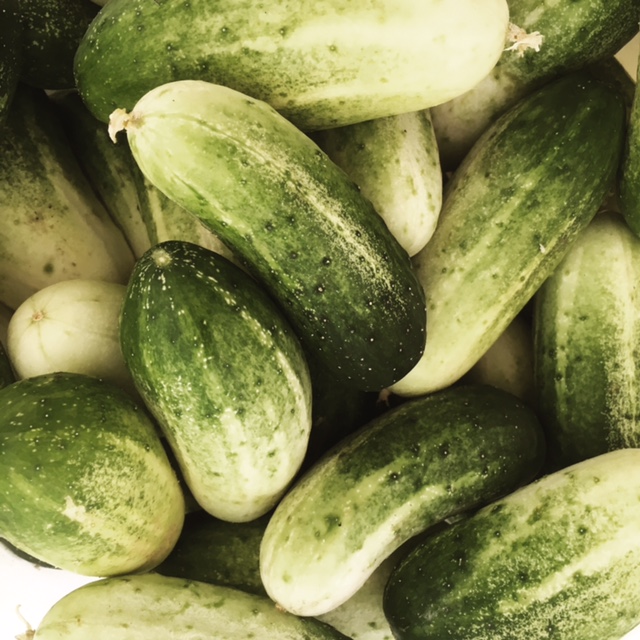
PRESERVES: Pickling Cucumbers

Husk Cherries aka Ground Cherries aka Cape Gooseberries: These are a delightful sweet little nightshade berries wrapped inside a cool little "wrapper". Kids love them. Just peel the papery wrapper off and eat! Husk Cherries are ripe when the wrapper is golden. (Green = unripe). Look low down under the canopy of leaves for the ripe ones.

U-PICK on the FARM: 

Cherry tomatoes:  Sungolds, Black Cherry, and Super Sweet 100's in three Rows marked with the blue flags in the main fields.

Wild BlackberriesWe can't take any credit for growing them but they sure make a delicious u-pick delight. There are some pretty epic wild blackberry patches on the farm this year. Two being along the fence on the far side of our main fields. They will be marked with pink flags. If you need help locating them, or other patches, just ask. Cobblers await.

FARMERS LOG:

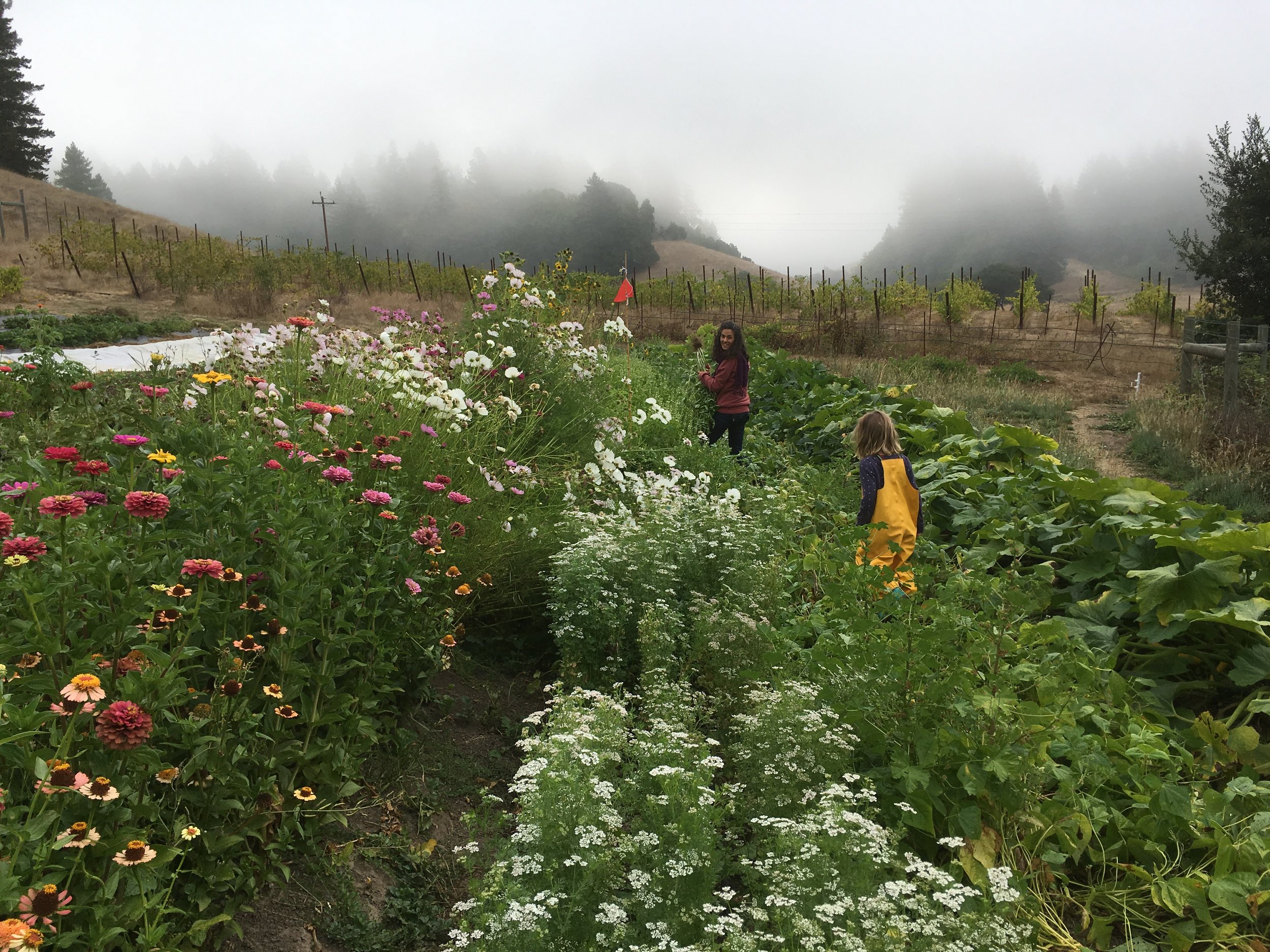
What the heck is this Community Supported Agriculture anyway? Where did it come from? I have a lot of time to think in the fields. This week got me thinking about the history and origins of the CSA model, and I wanted to relay some of that history to you, as I understand it, in the hopes that it gives you a little context for the special errand you're making next time you're traveling down Green Valley Rd.

After World War II, agriculture in Japan, Europe and the U.S. began to change drastically. The mechanization and industrialization of the war effort turned inward into industry and food production. Farms got bigger and more mechanized, family farms got swallowed up, importing exporting and shipping expanded, supermarkets were spawned, even rural communities began to lose the neighborly connection to their food and food producing lands.

As a reaction to this, people in Japan and Europe formed groups that rallied around a single farm or producer in order to sidestep the conventional market. (Legend has it that one of the first formal such arrangements was a group of Japanese women organizing with a local dairy farmer to get fresh milk... hey, Bramble Tail!). 

In Europe, these arrangements interwove with and were influenced by the work of Rudolph Steiner (Austrian philosopher who also inspired Waldorf Education and Biodynamic Agriculture). Steiner posited that maybe... just maybe... how we grow our food and tend the earth is such an important undertaking that we should not subject farms and their produce to the cut-throat transactional market but rather care for them and tend to them as communities so that they sustain us. Lots of people agreed.

Biodynamic CSA's thrived in Europe and jumped the Atlantic in the 1980's. Some of the earliest CSA communities followed Steiner's economic prescriptions and left the farmers to farm while other members took care of the bookkeeping, did outreach, helped with strategic planning, etc. I worked on such a farm in Patagonia, Argentina and remember tending a meeting of all the members led by the farmer. He asked for a slight raise in his salary the following season so that he could visit his new niece in Oregon the following winter. They agreed.

CSA's practicing this Old School type of arrangement are rare, for better or worse, and most CSA's nowadays are owned and operated exclusively by the farmers. But the CSA DNA remains,

To bring it home: Your share payments helped pay for the seeds you are eating the fruits and roots of now. They also helped pay for Kayta's and my rent, our lights, the computer I'm typing this on. Your hands harvested a good bit of the food in your body and may plant the garlic you eat next season. Your feedback will help determine what plants go in the ground next year.

There is something magical about food and land and people coming together around one place. It. Just. Makes. Sense.

Thanks for being an integral part of this budding farm community. We're happy we're a part of it.

See you in the fields.

David

7/13/17 - Week 5 - Blackberry Picking

THIS WEEK'S HARVEST: Mixed Summer Squash (Italian Zucchini, Crookneck and Patty Pan) Chioggia/Red Ace/and Golden Beets, Omero Purple Cabbage, Lemon Cucumbers, Heirloom and New Girl Tomatoes, Hakurei Turnips, Hearts-Aglow Lettuce Salad Mix, Spinach, Mustard Salad Greens Mix, Rainbow Chard, Olympic Red Kale, Dino Kale, Broccoli, Baby Bok Choi, Fresh Cabernet Red Onions, Romance/Purple Haze/Yellow Star Carrots

U-PICK in the GARDEN: Basil, Cilantro, Savory, Onion Chives, Parsley, Sage, Oregano, Dill, Thymes, Mints, Sorrel, Chamomile, Lemon Verbena, Lemon Balm, Anise Hyssop assorted cut flowers (Cosmos, Nasturtium, Bachelor's Buttons, Zinnias, Calendula, Snapdragons, Red Spike Amaranth, Sunflowers, Love-in-a-Mist)
U-PICK on the FARM: Cherry tomatoes:  Sungolds, Black Cherry, and Super Sweet 100's. Three Rows marked with the blue flags.

IMG_2469.jpg

2017 CHERRY TOMATO PRIMER: We planted three varieties of cherry tomatoes this year. Delicious, but maybe a little confusing for u-pickers. We wanted to orient you to the patch so you make the most of it. Sungolds, a crowd pleaser and probably the sweetest, are ripe when deep orange. Super Sweet 100's look more like your classic cherry tomato, they are ripe when scarlet red. Black Cherries, just coming in, are larger, and are ripe when slightly soft to the touch. They are burnt red on the bottom with green blushed tops.

FARMERS LOG:

The briars here are loaded. Mostly geen one, some red, and few black ones. Looks like there will be some goooooood blackberry picking this year after those rains. 

The Himalayan Blackberry, you know if you live any semi rural patch of California, is a perennial "frienemy". Most of the time a formidable enemy. It tries to make up for the scratches, back aches, and lost territory in July and August. Thick pointy thorns, olympic level runners, mature canes as thick as a broom handle. Invasive. But oh-man the berries. Legend has it that have the mad-scientist-plant-breeder Luther Burbank to thank. To wet your appetite for some summer blackberry picking here on the farm or on the side of the road here's Seamus Heaney:

Blackberry Picking

For Philip Hobsbaum

Late August, given heavy rain and sun
For a full week, the blackberries would ripen.
At first, just one, a glossy purple clot
Among others, red, green, hard as a knot.
You ate that first one and its flesh was sweet
Like thickened wine: summer's blood was in it
Leaving stains upon the tongue and lust for
Picking. Then red ones inked up and that hunger
Sent us out with milk cans, pea tins, jam-pots
Where briars scratched and wet grass bleached our boots.
Round hayfields, cornfields and potato-drills
We trekked and picked until the cans were full,
Until the tinkling bottom had been covered
With green ones, and on top big dark blobs burned
Like a plate of eyes. Our hands were peppered
With thorn pricks, our palms sticky as Bluebeard's.

We hoarded the fresh berries in the byre.
But when the bath was filled we found a fur,
A rat-grey fungus, glutting on our cache.
The juice was stinking too. Once off the bush
The fruit fermented, the sweet flesh would turn sour.
I always felt like crying. It wasn't fair
That all the lovely canfuls smelt of rot.
Each year I hoped they'd keep, knew they would not.

-Seamus Heaney, 1966, The Death of a Naturalist

See you in the fields, 

D&K