
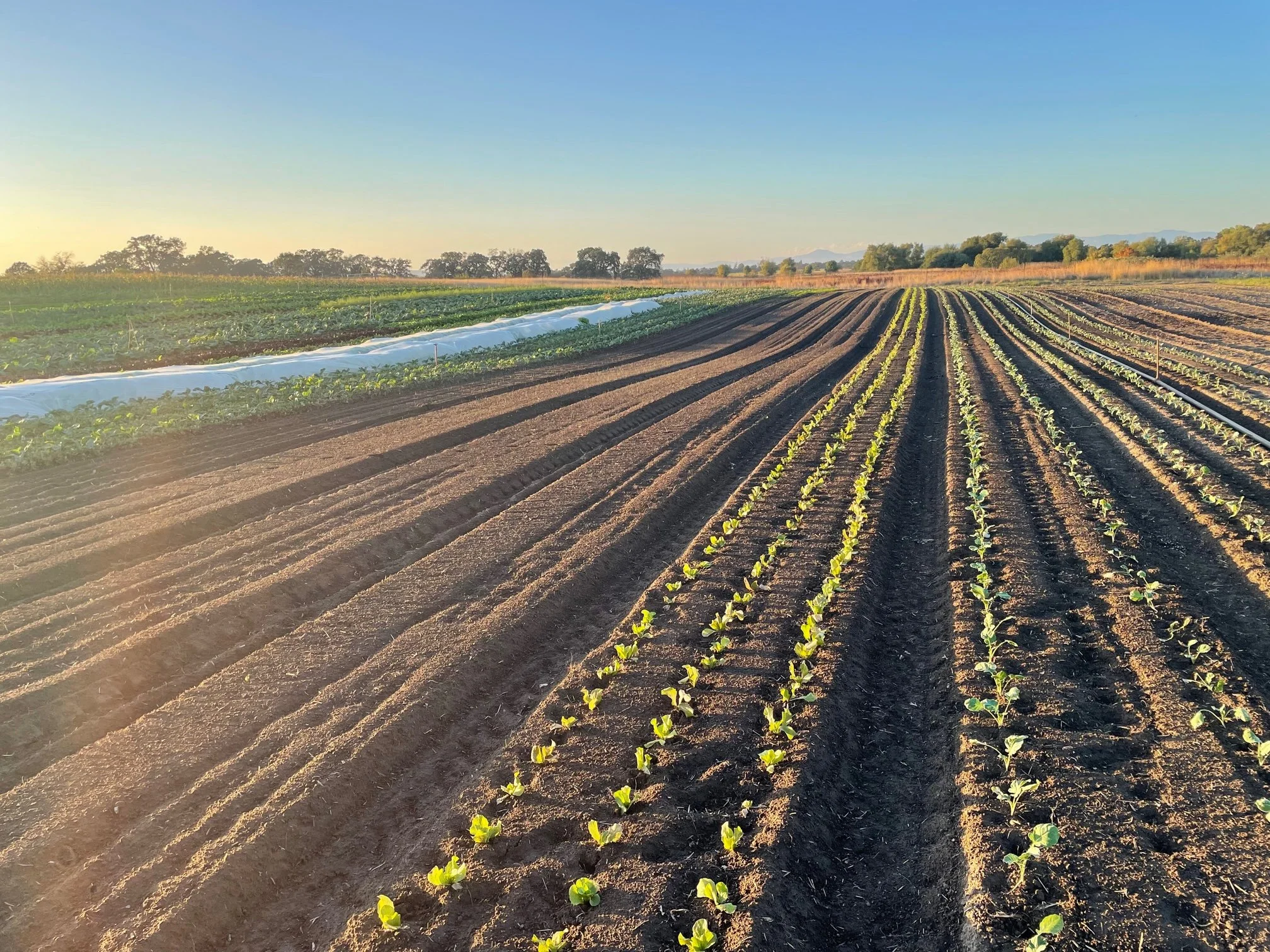
9/17/2021 - Rain Light

Moon above the garden.

Moon above the garden.

IN THE FLOWERS

This Week’s Flower Challenge: This week we’d like to direct your attention one of the least noticed, but perhaps most important components of flower arranging: filler.

Think of filler as everything besides the show-stoppers—those big, bright blooms that call to you to come pick them from across the garden. Filler can be foliage, seed pods, or even smaller flowers that form the matrix and structure of your bouquet. They also provide ambience. Say the flowers that are calling to you this week are zinnias. Zinnias on their own are what they are. But zinnias with filler can be anything: moody, cheerful, sultry, playful, elegant, understated, over-the-top. This week, try adding a little extra something to your bouquet in the form of filler. It’s an amazing opportunity to utilize the wild and weird, the grasses, flowering herbs, seed heads and dried stems that will start to proliferate more and more as we ease into fall.

Some suggestions:

  • For moodiness, we love purples: flowering purple basil, the purple foliage and unopened buds of the Bishop’s Children Dahlias (above the amaranth and the gnome homes), the green and purple shiso.

  • For delicacy: the tiny white flowers of Gaura on it’s long, bud covered stems; feathery cosmo foliage and unopened buds; the tiny and prolific Daylight White Scabiosa; delicate white and purple chive blossoms; verdant and smooth nasturtium leaves and buds; and fuzzy, white-blooming catnip.

  • For texture and interest: red-gold sorrel seed heads, long strands of peppermint from below the little apple tree, flowering basil stems, grass seeds, blooming lemon balm and the technicolored velvet of celosia.

Zinnias and nasturtium feeling moody with catnip, purple basil, garlic chives, and celosia.

Zinnias and nasturtium feeling moody with catnip, purple basil, garlic chives, and celosia.

IN THE HERBS

  • Oregano, Marjoram, Thyme, Chives & Garlic Chives, Lemon Balm, Lemon Verbena, Chamomile, Tulsi Basil, Purple & Green & Bi-color Shiso (aka Perilla), Mints, Italian Basil, Purple Basil, Thai Basil, Green Coriander, Dill Flowers, Anise Hyssop, Sage, Tarragon, and Vietnamese Cilantro, Culinary Sage, Sorrel, Husk Cherries, Lemongrass.

Herb Challenge: We’ve heard from several members that they’ve been making shiso furikake from the shiso planting in the garden. Furikake, in case you’re unfamiliar with it, is a Japanese topping for rice, which frequently includes sesame seeds, seaweed, salt, sugar, bonito flakes, and more. It’s a delicious and easy way to bring an extra kick of umami into whatever you’re eating. (Moon Fruit Mushroom Farm has an amazing shiitake furikake for sale in the Marketplace at Green Valley, in case you want some inspiration!)

Shiso Furikake

To make your own furikake, simply dry shiso or perilla leaves, then grind in a mortar and pestle or a spice grinder, with your choice of the above ingredients. While the red shiso is what would traditionally be used to make shiso furikake, feel free to incorporate any of the varieties that we have growing! For easy harvesting and good regrowth on the plants, cut low down on a stem and store in an uncrowded paper bag until dry when you can pull the leaves off and grind.

FAQ

  • When does the CSA end? Exact dates are TBD, depending on the weather. The flower and herb garden will starting winding down in October and we’ll put her to bed in November. But expect some good blooms all the way til then. The strawberries will usually wrap up a little earlier, producing through the end of September.

  • If I go away can a friend use my share? Yes! If you’ll be out of town or unable to come pick strawbs and flowers, feel free to send a friend or relative in your stead. Please verbally orient them as to the directions and how things work as we are not always around.

IMG_2674.jpg

FARMER’S LOG

Today we’ll leave you with a poem in honor of this misty, drizzly blessing of a day.

RAIN LIGHT

by W.S. Merwin

All day the stars watch from long ago
my mother said I am going now
when you are alone you will be all right
whether or not you know you will know
look at the old house in the dawn rain
all the flowers are forms of water
the sun reminds them through a white cloud
touches the patchwork spread on the hill
the washed colors of the afterlife
that lived there long before you were born
see how they wake without a question
even though the whole world is burning


See you in the fields,
David and Kayta

Click here for an archive of past newsletters

9/10/2021 - Zinnias

After the storm, Friday morning mist in the garden.

After the storm, Friday morning mist in the garden.

IN THE FLOWERS

This Week’s Flower Challenge: This week, may we direct your attention to the zinnias?

I (Kayta) have a confession to make: I have been a zinnia hater — in spite of my grandfather planting them faithfully every year to brighten the 15 feet of sidewalk leading up to his porch from his country gravel road; in spite of the wager that each member of my family made every year with our beloved next door neighbor Bernice about what color the first zinnia to open in her garden would be; in spite of zinnias themselves and their unflagging exuberance and profusion. They reminded me in the worst way of crocheted afghans, of cheap plastic toys, of clowns.

At first I grew them dutifully, producing them for the folks that liked them. But after so many years of spending time in their bright company, I can no longer muster any feelings but appreciation and love. Their optimism is infectious; they are generous and long-lasting; and speak of old-fashioned and honest affection. They also reward a closer look with infinite variety and intricacy. This week, we’d like to invite you to spend some extra time with them.

62541348-B884-41BF-B414-B2366C52D306.JPG

Close up on the Zinnias:

  • Left column: Have you noticed the incredible diversity of colors, shapes and sizes in our earliest succession of zinnias (on the side of the East garden closest to the strawberry field)? The seeds for this bed are a collection of all the zinnias offered by the amazing independent seed breeder Frank Morton at Wild Garden Seed. While Wild Garden Seed is most known for their fantastic lettuce and salad mix breeding, they bring their playfulness and love of diversity to flowers too. Keep an eye out for peppermint types, with striping and streaking, as well as giants and miniatures.

  • Middle column: This small patch of zinnias in the front bed just to the right of the picnic table has just started blooming. These are the Queen mix — a recent development in zinnia breeding that’s brought out incredible shades of lime and chartreuse that, in some flowers, flows into pinks or oranges in the outer petals.

  • Right column: A few of these spectacular Zinderella, or scabiosa-type zinnias, are blooming in the bed below our breadseed poppies (high up in the section of beds to the right of the picnic table). These zinnias have been bred to have enlarged and fluffy disc flowers creating a mound above the petals that’s reminiscent of cupcakes.

IN THE HERBS

  • Oregano, Marjoram, Thyme, Chives & Garlic Chives, Lemon Balm, Lemon Verbena, Chamomile, Tulsi Basil, Purple & Green & Bi-color Shiso (aka Perilla), Mints, Italian Basil, Purple Basil, Thai Basil, Green Coriander, Dill Flowers, Anise Hyssop, Sage, Tarragon, and Vietnamese Cilantro, Culinary Sage, Sorrel, Husk Cherries, Lemongrass.

Herb Spotlight: As we begin to feel fall in the air, it’s easier to imagine the longing we’ll feel for cozy, herbal teas from the garden this winter. Feel free to keep stocking up! The tulsi continues to produce and loves every trimming it gets, and we highly recommend the delicious flavors of lemon balm, lemon grass tops and the beautiful color contributed by calendula flowers in an herbal tea blend.

FAQ

  • When does the CSA end? Exact dates are TBD, depending on the weather. The flower and herb garden will starting winding down in October and we’ll put her to bed in November. But expect some good blooms all the way til then. The strawberries will usually wrap up a little earlier, producing through the end of September.

  • If I go away can a friend use my share? Yes! If you’ll be out of town or unable to come pick strawbs and flowers, feel free to send a friend or relative in your stead. Please verbally orient them as to the directions and how things work as we are not always around.

IMG_9741.JPG

FARMER’S LOG

To Make a Prairie

by Emily Dickinson

To make a prairie it takes a clover and one bee —
One clover, and a bee,
And revery.
The revery alone will do,
If bees are few.


*****

We hope you find some revery this week.
See you in the fields,
David and Kayta

Click here for an archive of past newsletters

9/3/2021 - The Fox

Zinnias in the evening.

Zinnias in the evening.

IN THE FLOWERS

This Week’s Flower Challenge: This week, we’d like to challenge you to spend a few moments thinking about someone in your life to whom you’d like to give flowers. It could be a surprise, a doorstep drop-off, a reason to set a lunch date, or an opportunity to invite them to the garden with you. There is a special pleasure to be found in making a bouquet for someone else, and a sweet, grounding humility that comes with picking flowers while thinking of those you love.

IMG_3172.jpg

IN THE HERBS

  • Oregano, Marjoram, Thyme, Chives & Garlic Chives, Lemon Balm, Lemon Verbena, Chamomile, Tulsi Basil, Purple & Green & Bi-color Shiso (aka Perilla), Mints, Italian Basil, Purple Basil, Thai Basil, Green Coriander, Dill Flowers, Anise Hyssop, Sage, Tarragon, and Vietnamese Cilantro, Culinary Sage, Sorrel, Husk Cherries, Lemongrass.

Herb Spotlight: This is the moment to enjoy the ephemeral delight that is green coriander. Did you know that coriander is actually the seed of the cilantro plant? Next time you’re in the garden, try tasting a single green coriander seed. They’re like a playful, citrus and hops-tinted take on cilantro, with a wonderful green pop! Try throwing them in a dish, or atop a savory tartine to take your meal to the next level.

FAQ

  • When does the CSA end? Exact dates are TBD, depending on the weather. The flower and herb garden will starting winding down in October and we’ll put her to bed in November. But expect some good blooms all the way til then. The strawberries will usually wrap up a little earlier, producing through the end of September.

  • If I go away can a friend use my share? Yes! If you’ll be out of town or unable to come pick strawbs and flowers, feel free to send a friend or relative in your stead. Please verbally orient them as to the directions and how things work as we are not always around.

The harvest share from the first week of September 2020

The harvest share from the first week of September 2020

FARMER’S LOG

THE FOX

An osprey flew over the farm this week. We couldn’t help but watch it fly over and think of the privilege and responsibility it is to farm in such a wild place.

The first day Kayta and I worked in these fields was a stormy day in December 2016. I was taking out an old livestock fence in the middle one of our fields, when out from a tiny tunnel in a thicket of grape rootstock and blackberries, popped a juvenile grey fox just a few feet from my leg. I froze. She didn’t know I was there. It was raining so hard that her keen smell and hearing must have been dampened.

She scanned the open ground ahead of her and sniffed the air; her black eyes were alert, fresh, and clear; her torso bounced up and down in a quick rhythm as she sniffed; her heather grey fur was matted from the rain, the wet tips black. She stayed there for so long I could imagine she was my puppy and we were out on the hunt together.

She must have finally caught my scent, froze, and deftly vanished back into the bramble.

Fox in a Coyote Brush-2.jpg

Seasons turned. Years passed.

We’ve farmed that meadow for five years now, doing what we can to ensure it remains a home for our wild neighbors that make their home here. And we are often heartened by who we see (or see sings of) making the fields part of their lives. Owls hunt the fields at night; diurnal raptors and myriad songbirds accompany us throughout the day; bobcats play with their kids by the spillway; coyotes leave their digging holes for us to find in the morning; an egret lived in the field for a whole season once; not to mention Mr. Heron in the pond and the myriad skunks and raccoons…

But when I’m in that spot where I stood with the fox, I think of her.

The fox spot has newly flowering cannabis now. And the farm on this warm September afternoon was a bustling, dusty, loud place — a far cry from that serene winter morning I met that fox. If she missed me then, she wouldn't now. Is she still alive? Does she still slink stealthily through this meadow? I’ll never know, but I’d like to think so.

The other morning Kayta was up in the garden checking on a new planting. Some markings caught her eye.

Fox tracks on the landscape fabric.

This place is still wild. Let’s keep it that way.

See you in the fields,
David and Kayta

Click here for an archive of past newsletters