
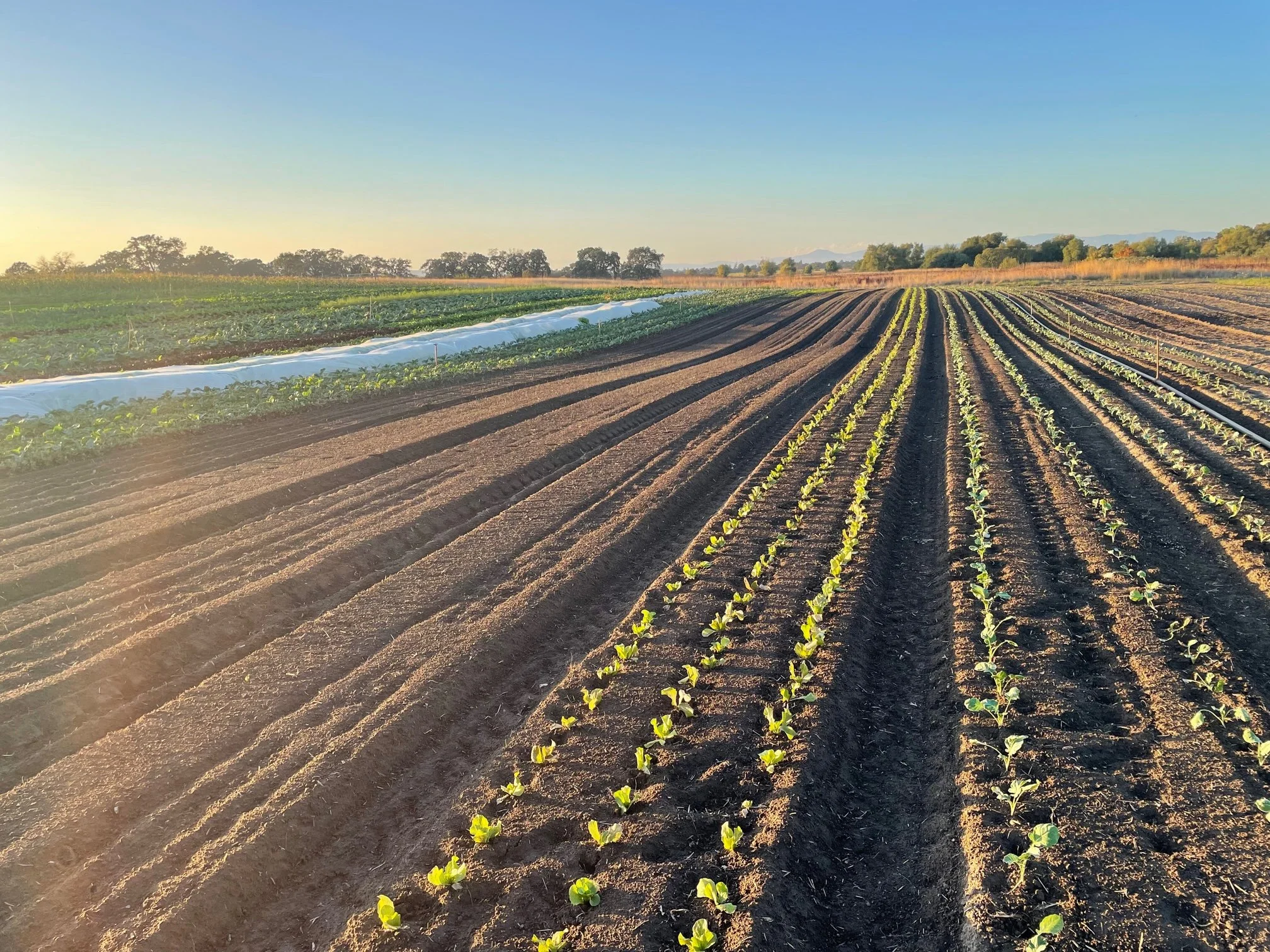
7/12/19 - Week 4 - Compendium

Dear Members,

THIS WEEK'S HARVEST
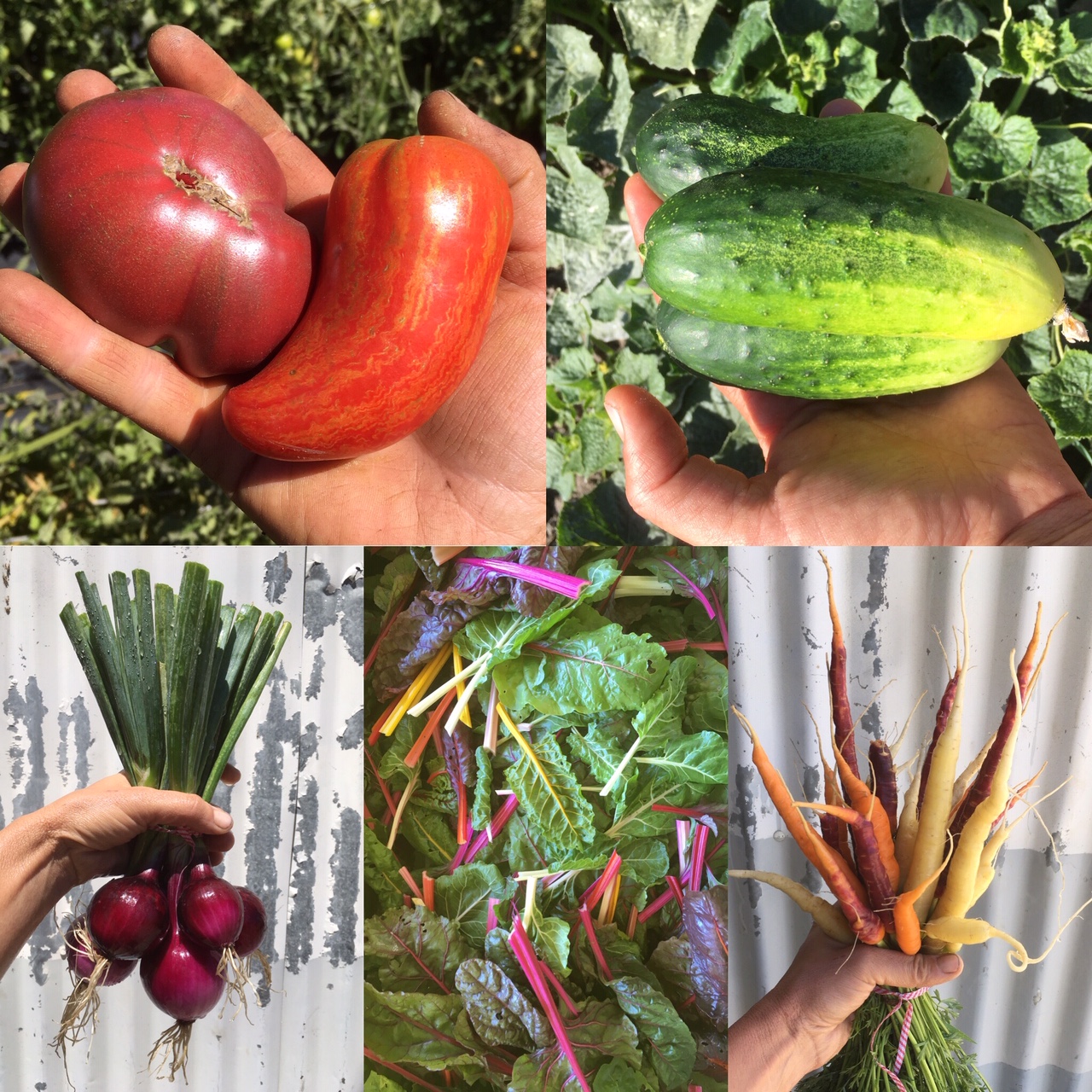
Some of the yum yums in the share this week

Some of the yum yums in the share this week

Arugula, Spinach, Little Gem Lettuces, Carmona Butter Lettuce, Bok Choi, Red Russian Kale, Dino kale, Rainbow Chard, Olympian Cucumbers, Summer Squash and Zucchini, Slicing Tomatoes, First Field Heirloom Tomatoes, Pink Ladyslipper Radishes, Scallions, Fresh Cabernet Onions, Freshly Dug Creole Garlic, Baby Rainbow Carrots

U-PICK

  • Frying Peppers: Shishito, Black Hungarian, Padrón *See last week's newsletter for harvest tips

  • Pickling Cucumbers: *See below for instructions

  • Herbs: Italian Basil, Tulsi Basil, Thai Basil, Purple Basil, Italian Parsley, Rosemary, Lemon balm, Lemon Verbena, Perennial Cilantro, Annual Cilantro, French Sorrel, Onion Chives, Garlic Chives, Shiso, Tarragon, Oregano, Thyme, Camomile, Mints

  • Flowers!

Kayta’s study in red bouquet from last week

Kayta’s study in red bouquet from last week

REMINDERS

U-pick Limits: Please always respect the weekly u-pick limits posted on the board in the barn. They are in place to insure that you, and all the members that pick after you, can get some!

PRESERVING THE HARVEST

*This section of the newsletter is to let you know of bulk or preserving crops available this week to help you stock your larder!

Loose Hakurei Turnips: We're clearing out our first planting of Hakureis and will harvest loose turnips available for pickling. Check out the pickle recipe below from Kate Seely, which can be used to pickle just about anything!

PICKLING CUCUMBERS:

We plant a large bed of pickling cucumbers each year so that members can u-pick them fresh off the vine to take home to pickle! They are starting to produce! If you're interested in pickling cucumbers this year, please sign up on the pickling cucumber interest list next to the sign-up sheet in the barn. We'd love for about 4 people people to pick soon as tomorrow (Saturday)! After that, we'll let you know via email when you're next on the pick list based on order of sign-up. There will be plenty for everyone. The season limit this year will start at 1 gallon of pickling cucumbers per share.

See below for instructions on how to pick pickling cucumbers and a great pickle recipe from CSA member Kate Seely.

IMG_8100.jpg

Picking instructions: Bring a bag or gallon container from home to pick into. Find the pickling cucumber bed out on the farm. It will match the flag color on the u-pick chalk board. Comb through the plants doing your best not to step on the vines or the adjacent bed. The ideal sized pickling cucumber is around 4 inches long and 1 inch thick. Please don't pick them much smaller than this. Bigger is fine. Please pick big ones so the plant can focus on growing more cukes for the next pickers!

Kate Seely's Amazing Cucumber Pickle Recipe: Kate Seely makes the best homemade pickles we've ever had. She generously shared her secrets below. Thank you, Kate!

For crunchy pickles, Kate has found that the trick is simply to get them pickled as soon after harvesting them as possible. The salted ice water helps, too. People talk about grape leaves and citric acid, but she hasn't really found those to work.

For the Brine:

1:1 Ratio Water : Organic Distilled White Vinegar

1/3 cup pickling salt for every 8 cups liquid

**If you like it a little less vinegary, go 2/3 water : 1/3 vinegar instead of 1:1. Also, you really can use this brine to vinegar pickle any vegetable, like Hakurei turnips**

For Pickles:

Pickling cukes

Garlic

Fresh spicy pepper (a jalapeño would work, but any spicy pepper is great) OR red pepper chili flakes

Yellow mustard seed

Fresh dill (if you don't have fresh, dried is fine)

Peppercorn

Equipment Needed:

Canning Pot

Pint Jars (or Quart if you want to go big!)

New lids for sealing

Tongs and/or can removers

Step One - Soak Cucumbers

Cut cukes, removing ends and sizing the slices to the size of the jars you will use, and set in water, salt and ice. Use about three TBSP of salt for 5 pounds of cukes. Let sit anywhere between 4 and 24 hours.

Step Two- Make Brine

Begin this step when you're ready to pickle. Put the brine measurements into a separate pot and bring to a boil. 1:1 water to white vinegar, and 1/3 cup salt for every 8 cups of liquid. Once boiling, reduce to a simmer.

Step Three - Sterilize Jars

Fill canning pot with water, bring to a boil. To sterilize, wash jars with soap and water, then place in boiling water for 10 minutes. Remove and set aside. Be mindful not to touch the insides of the jars with your hands as that will de-sterilize them. Sterilize lids in a smaller pot as well

Step Four- Fill Jars

Drain cucumbers. Trim them to the length of the jar if you haven't already, if they are not already short enough. Jars should have 1/4 inch of space between liquid and jar top.Pack cucumbers, dill (1-2 sprigs), and garlic (one clove for a pint jar). Really, PACK them in there.

Add spices: Pour 1 tsp yellow mustard seed, 3/4 tsp (or more or less depending on the spice you want, I like them spicy!), 6 peppercorns on top of cucumbers.

Pour brine over pickles, covering them, but leaving 1/4 inch until top of jar.

Remove lid from small pot with tongs, being mindful not to touch lids. Screw on cap so that it is not tight, so that air can escape from jars as you water process them.

Place jars in canning pot and water process for 15 minutes. (If you do not have a canning pot with a metal insert to hold cans, make sure to put a buffer between your glass jars and the bottom of the metal pot, like an old dish towel. Your jars will break if they touch the hot metal. Heck, they might break anyways if you're reusing jars. That's just the way it goes sometimes.)

ENJOY!

WEEDING WEDNESDAYS, 8:00-10:00 am

Interested in some farm therapy? Come hang out with us on a Wednesday mornings as we tend garden and farm beds and take a bite out of weed crime. Great conversation to be had. Find us in the garden or out in the main fields on Wednesdays from 8:00am 'til 10:00 am!
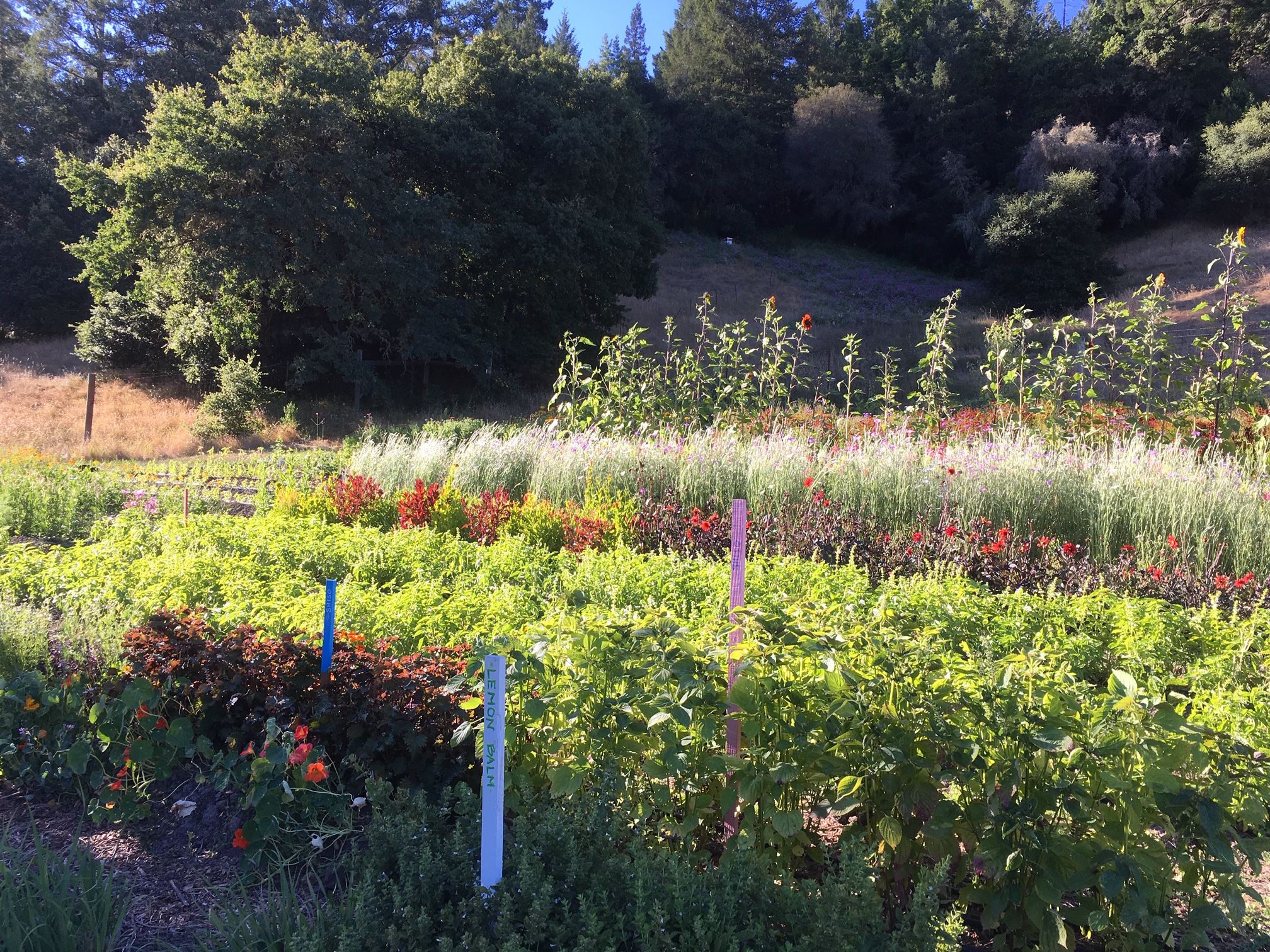
Evening in garden west

Evening in garden west

FARMER'S LOG

As you know by now, this here Farmer's Log is a journal of whimsical and practical musings and a good way to get to know your farm and us farmers a little better.

We thought we'd offer a little compendium this week, for members old and new, of past Farmer's Logs.

Did you know, Green Valley is really wild place? Read about it here, or hear tell of the mysterious flight of the owlets, oak trees, and one quick little baby turkey!

Have you ever wondered about your farmers' super hero powers and their favorite Spice Girls, when they fell in love with farming, what they talk about in the field, or what a week in the life is like?

Ever wondered if there is a ghost on the farm?

The answers to your questions are at your fingertips as we finally got around to uploading old Farmer's Logs to the website.

Enjoy the stories and as always...

See you in the fields,

David & Kayta

7/5/19 - Week 3 - The Star Crossed Garlic

Of all the magical crops we grow here at Green Valley Community Farm, perhaps no other is as tough as garlic.

The beautiful bulbs curing in the barn right now are a testament to this toughness. This year's garlic crop had everything but the kitchen sink thrown at it.

IMG_6378.JPG

Pictured above is the smoky November day last year that this year's garlic crop was planted. The smoke in the air, from the Camp Fire, an omen of the road ahead for those little cloves...

After a smoky but sweet garlic planting party with CSA members, we like many farmers, tucked our garlic in for the winter under a nice thick layer of straw mulch. Then we left. We closed the gates. The Sun went south. The Winter constellations turned overhead. And after a month or so, green spears of a vigorous young garlic cadets shot up through the mulch in neat little rows. "Huzzah!" said we.

Then came the wild turkeys.

We began to notice large flocks of our resident wild turkeys waddling through the garlic patch on their morning and evening farm meal walks. "Probably eating pill bugs and seeds," thought we, and let them be. But on a crop walk one chilly morn, we realized their methodical scratching was raking and heaping up mounds of straw upon our baby garlic spears, snapping and contorting them this way and that and blanching them asunder. We uncovered the unlucky ones and returned home, concerned. Lo and behold, every morning and every evening the turkeys returned, their peaceful mealtime a slow moving rampage on our young garlic crop. We yelled at them, we chased them, we threw things at them... to no avail, for pill bugs and seeds, they returned. Defeated, Kayta and I removed the mulch from the garlic beds into the pathways. The garlic straightened out, greened up, and stretched toward the waxing sunlight.

Then came the rain.

We need not tell tale of the squalls that were unleashed upon the garlic this winter -- of the constant wet, of the 25 year storm that flooded Guerneville -- for they were unleashed upon you too. Indeed, for much of the winter our garlic, who like relatively dry feet just like the rest of us, looked like they were growing in a rice paddy. And yet they persisted, growing and growing taller and stronger... in a muddy swamp.

Then came the heat.

Spring did finally come, but just for a few days before a nice 90 degree bake-off in May. But the garlic, especially the Creole garlic, said it didn't mind the heat-whiplash, "It reminds me of Spain," it said, and grew faster.

Then came the rain (again) and the fungus.

Who ever heard of 5 inches of rain in late May? This garlic has. The dank conditions created by the freak deluge in late May this year caused a minor outbreak of an allium fungal rust mostly reserved for Pacific Northwestern garlic patches. While potentially crop threatening when garlic is young, our mighty garlic crop, nearly fully grown by then, brushed off the rust as it filled out its cloves.

Then came the cement.

With bulbs formed and harvest time come, your farmers looked anxiously toward getting this star-crossed garlic out of the ground and into the safety of the barn. But the fair soil where we lay our scene, the very soil our garlic called home, void of mulch thanks to the turkeys, super-saturated thanks to the squalls of winter, then baked, then saturated again, then baked again, had hardened into a formidable substrate more akin to cement than soil. The mere thought of manually extracting 3,600 bulbs of garlic out of this substrate sent anticipatory shivers down your farmers spines.

Then came Jack...

We reached out to our kind neighbor Jack Tindle, who is a fancy old car mechanic and has a way with metal. Out of lesser parts from lesser needed tractor implements. Jack welded us a garlic lifter in approximately 3 hours on Wednesday morning. The rest is history.

On Thursday, we easily pulled the cloves, nudged out of the Earth by the lifter, and held them in our hands; vulnerable; dusty white; like pale moons. And smiling like nothing ever happened...

May this year's garlic bring you strength and health in all that life throws at you.

See you in the fields,

David & Kayta

Safe and sound at last!

Safe and sound at last!

6/28/19 - Week 2 - Crop Planning at GVCFarm

We had a busy week in fields this week. We got a lot of weeding done (with a big assist from the maiden voyage of our electric cultivation (weeding) tractor aka Marty McFly. It was amazing.) Kayta did a big greenhouse sowing (almost 7,000 beet seeds!); we transplanted Jack-O-Lanterns, leeks, our final sweet peppers, chard, and our 4th of 13 lettuce plantings; and we direct seeded our bi-weekly salad greens and the 3rd of five carrots plantings.

Sometimes people ask, "How do you know what to plant when?"

Gotta keep it interesting!

Gotta keep it interesting!

Crop planning, as we call it, looks slightly different on every farm, but the core answer to the above question is the same: We work backwards from harvest. From there, it is a matter of art, science, experience, and record keeping... and spreadsheets!

In the Winter of 2016-2017, our first year, Kayta and I sketched examples of the harvest shares we wanted to have for people in the Spring, Summer, and Fall. (Gotta have alliums each week; gotta have a snack crops; gotta have roots and fresh greens always; what flowers are possible in early June? What is a solid posse of Winter Squash, etc.) From these envisioned harvests, Kayta, who had many years of experience planning diverse vegetable, herb and flowers harvests in Forestville, worked backwards, considering each crop and variety, its "days to maturity", heat and frost sensitivities, yield expectations etc. In other words, the science. With Kayta's background and the cold hard numbers, we could then take a guess on when to sow and how much.

Then we planted. Paper met reality and the experience and record keeping aspects of crop planning took center stage. Each and every region, each and every valley, each and every soil, each and every harvest pick-up, and each and every year treat each and every crop and variety differently. With a healthy dose of humility and good record keeping, crop planning here has now become a process of amassing a memory of successes and failures (and harvest logs!) so that each Winter, we can develop a planting plan ever more custom tailored to this soil and micro-climate and what people are taking home and enjoying.

IMG_3800.JPG

The "art" and the heart of crop planning, for us, is in taking all of this and planning for harvests that harmonize with the seasons, surprise, delight, and make CSA members fall in love with food and flowers every week. Over the next couple months, for example, if everything goes to plan, you should be met by a range of fresh alliums in in the harvest barn; fresh garlic and scapes, scallions, chippolini onions, red spring onions, Walla Walla sweet onions, and torpedos. Alliums (the onion family) are so darn magical, especially fresh in the summer, so our Spring and Summer allium crop plan, is a love sonnet to the allium that we hope you enjoy.

They say, "If you want to make God laugh, make a plan." But, with some elbow grease and a little bit of luck, I'd say we're well on track to mostly pull off Kayta's 400 row, 60 column Excel spreadsheet 2019 Crop Plan. Thanks to a little help from our friends...

See you in the fields,

David and Kayta